
Reduce pain. Aid recovery. Enhance function & performance.
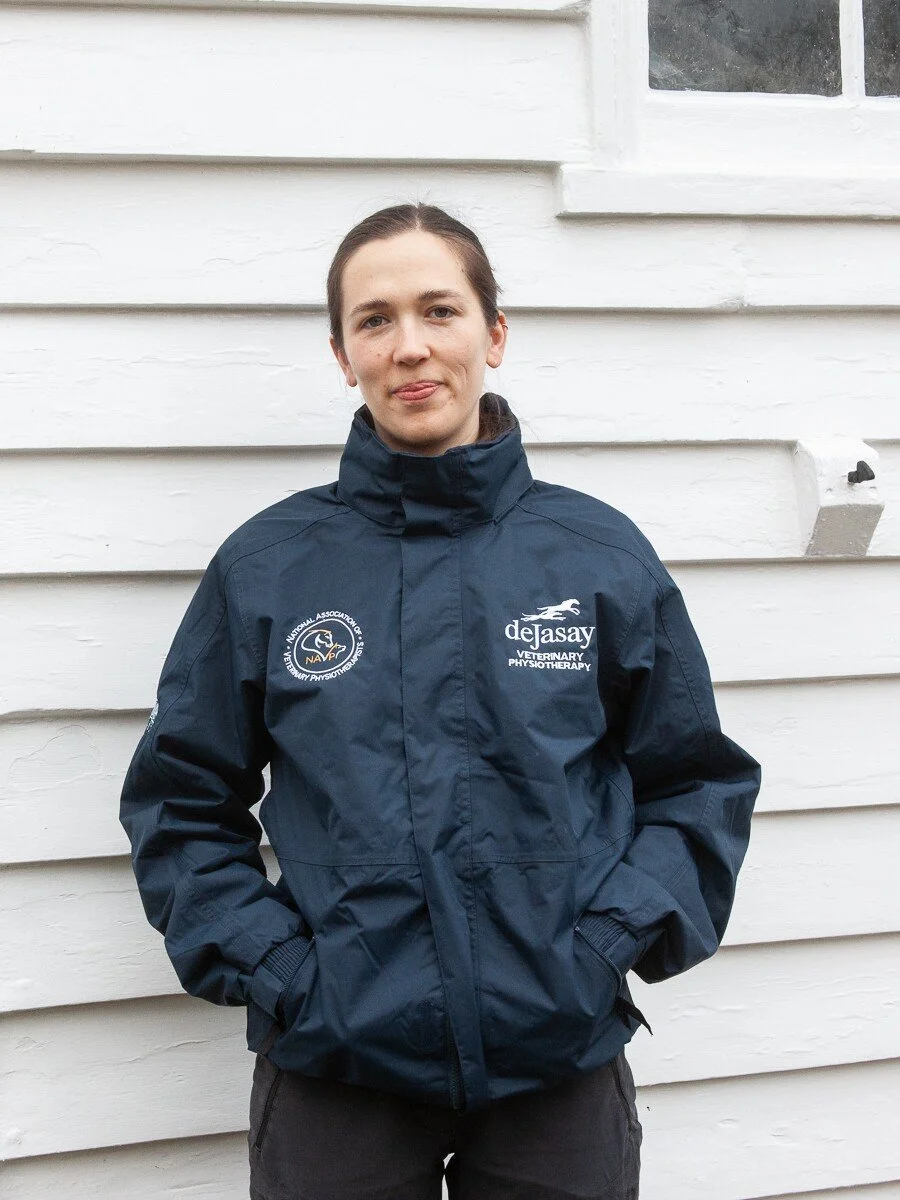
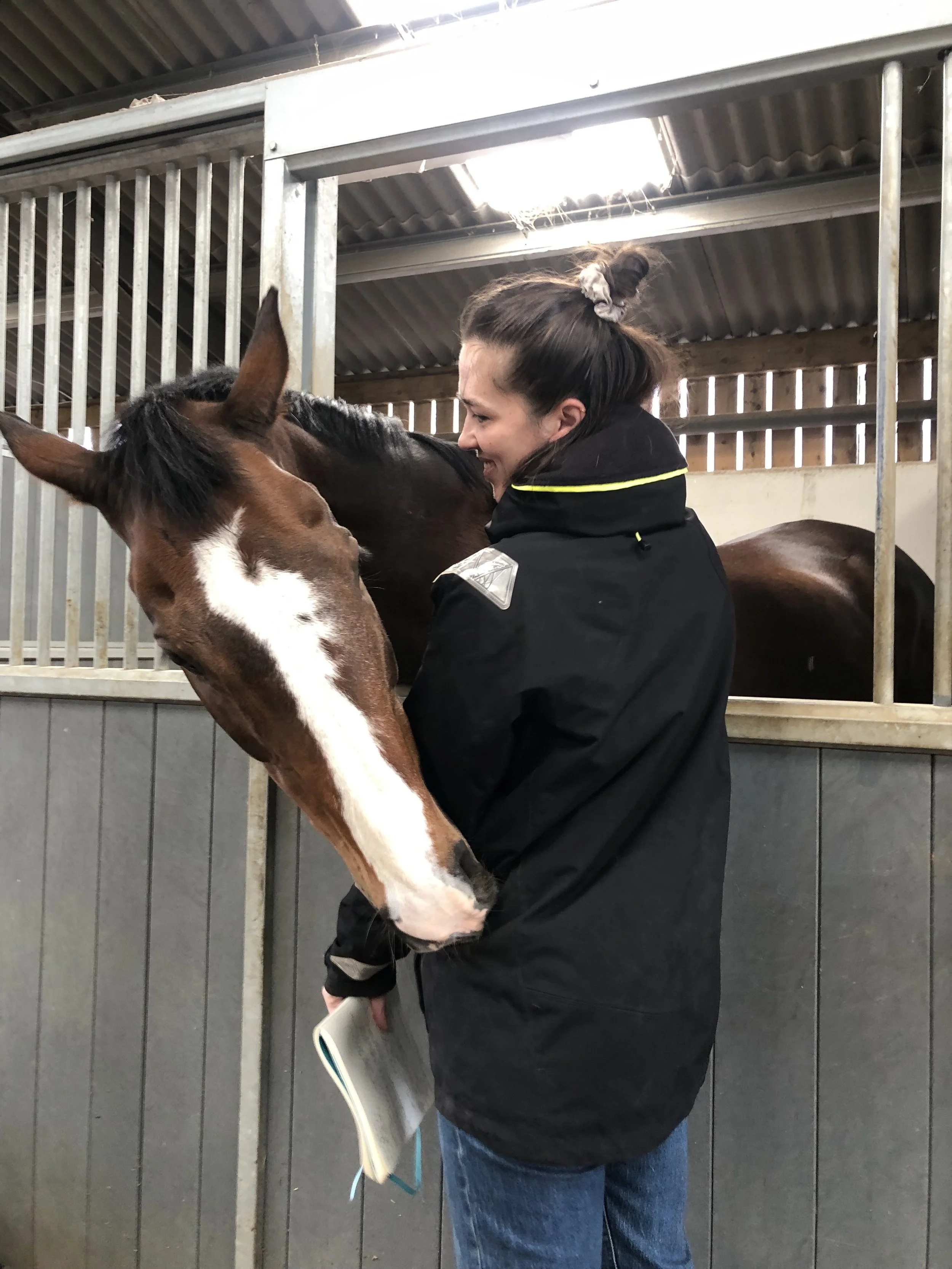
About me
Qualified
Industry-recognised qualifications meet professional bodies’ standards and combine practical application with a strong theoretical understanding to underpin clinical reasoning.
Master of Veterinary Physiotherapy | Distinction | Integrated Master’s | ARU Writtle
1000+ hours of clinical training with access to on-site and external yards, and a commercial canine rehabilitation clinic
Original research
ITEC Extended Level 3 Sports Massage | Distinction | Human | ProActive Training
Enables a deeper understanding of rider-specific factors and musculoskeletal imbalances that can be transferred from rider to horse.
Enhanced knowledge of soft tissue techniques and their physiological effects: applied to optimise clinical outcomes for my animal patients.
Committed
I take the responsibility of treating your animal seriously. While it is never a substitute for emergency veterinary or medical attention, my first aid training means I’m prepared to offer you or your animal immediate care in the event of an emergency. Click ‘learn more about me’ below to find out about my CPD, and other wider training.
First Aid for Pets | Level 2 | First Aid for Life | View Certificate
BHS Two-Day Initial First Aid Course | SkillBase First Aid | View Certificate
Rehabilitation
Maintenance
Performance
Rehabilitation Maintenance Performance
My services
-

Full assessments
Prior to carrying out any treatment, I’ll assess your horse or dog statically, dynamically, and using palpation alongside range of motion testing. We’ll also have a discussion about things like their current management and exercise routine. Assessment helps identify any movement or tissue-state abnormalities, asymmetries, and restrictions, and builds a holistic picture of your animal’s case.
*I will need to refer them back to their vet if any new or undiagnosed areas of concern are identified, and be unable to carry out treatments. -

Veterinary physiotherapy treatment sessions
Treatments are carried out at your home or yard. I can also offer sessions for canine patients at WagWorks, if an out of home appointment is preferred. Treatments will be individualised based on assessment. They may include: manual techniques like massage, stretching, positional release (PRT), and muscle energy techniques (METs); TENS, PBMT (LASER) or PEMFT electrotherapy; thermotherapy; Kinesiotaping and targeted remedial exercises.
-

Home-plans
I develop clinically reasoned plans for you to work on at home, between treatment sessions. These are designed to meet our goals for the case, whether your horse or dog is in rehab, has come to me for maintenance, or you’re aiming for performance enhancement. They may include recommendations for paraprofessional involvement (e.g., behaviourist, nutritionist, saddle fitter, farrier) or suggested changes to their management if day-to-day factors may be influencing their condition or progress.
I’ll always be available for support if you have any questions about a plan, or concerns between sessions. -

Biomechanical analysis (canine only)
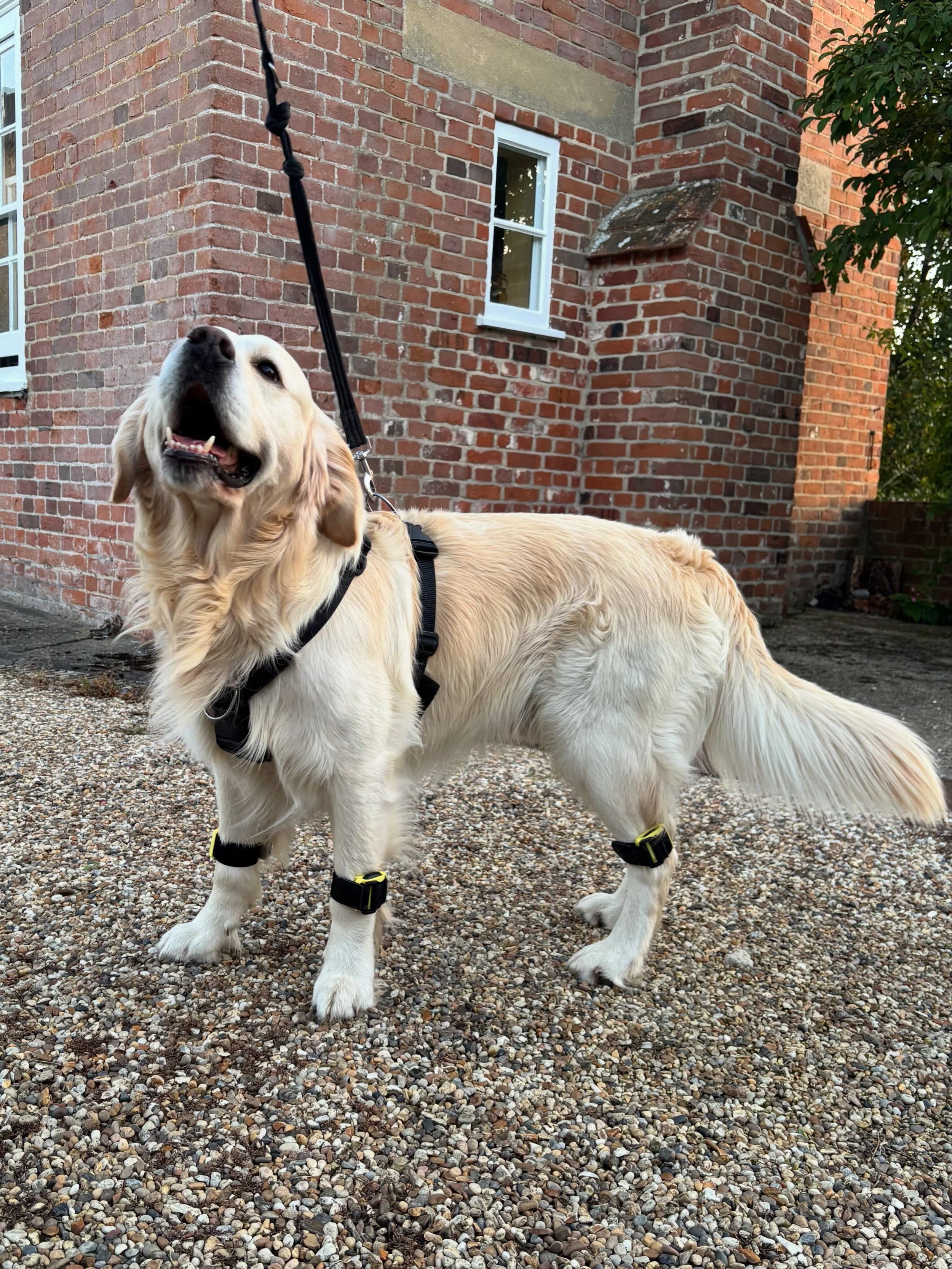
As an early adopter of the Ekico Tendiboot™ system for dogs, I’m able to offer additional biomechanical analysis for canine patients. Gait data can be shared with you and your dog’s vet, with measurements between time-points providing insights into your dog’s changing movement patterns as they progress through a treatment plan.
My process
If you think your horse or dog could benefit from physiotherapy, the first thing to do is get in touch via my contact form. We’ll have an initial discussion about their case: whether they have a diagnosed condition, what your goals are, and whether I can help. If you want to go ahead with booking, I’ll contact your vet to gather any relevant medical history and case notes. If your animal has a diagnosed condition, I’ll also need vet consent before assessing and treating them.
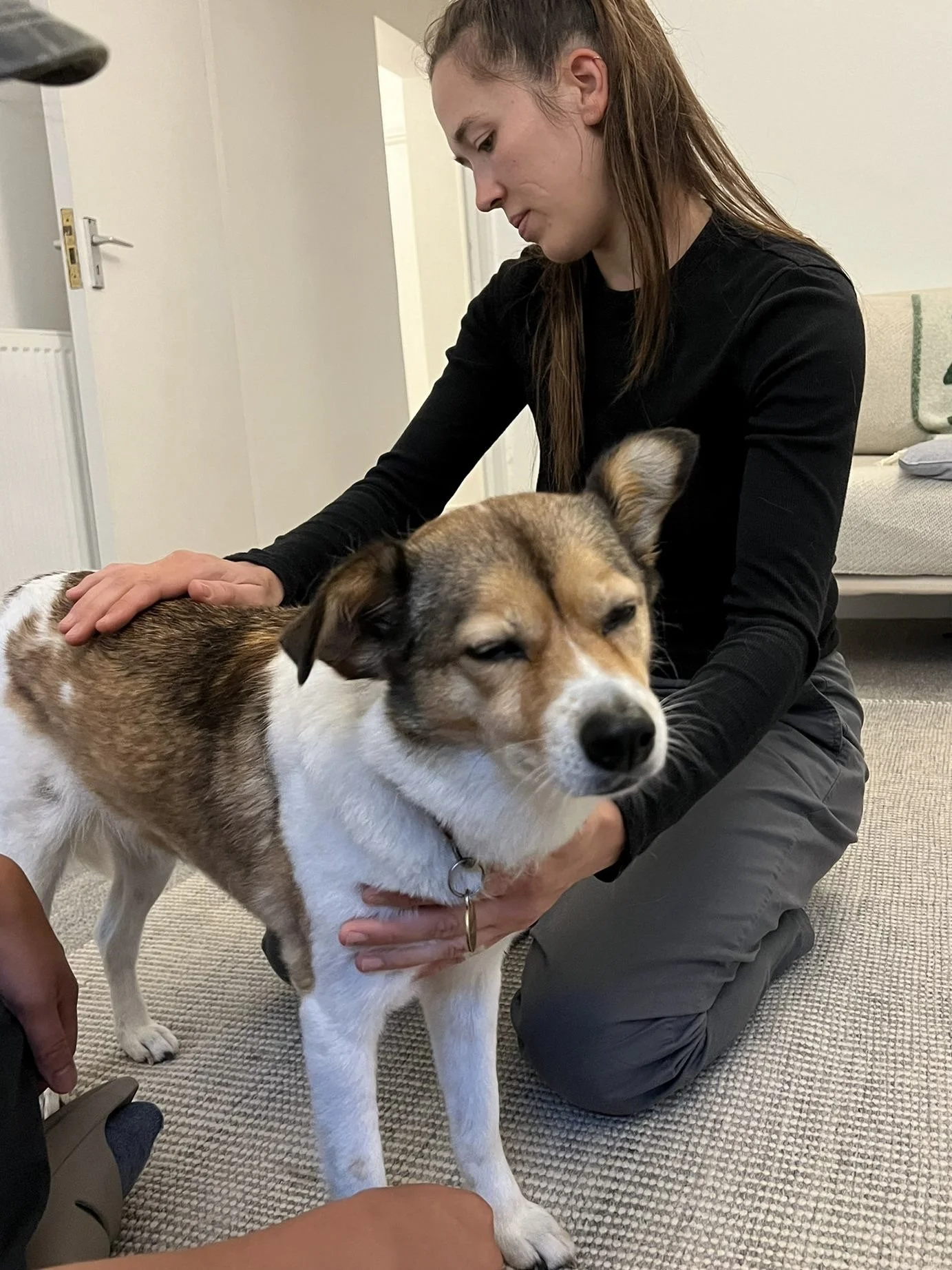
During our first appointment we’ll go at a pace adapted to your animal and their individual case. Initial assessments may be longer in more complex cases, with slightly less time spent treating. Some animals may also be more nervous than others - particularly if they’ve never had physiotherapy - and I’ll slow down to get them as comfortable as possible before I ask them to cooperate with assessments and treatments: if they’re unsettled they won’t get the most from the session. Most find treatments very enjoyable, and you may see them deeply relax as we work on areas of tension.
After a treatment session I’ll send over a client record sheet with notes on my findings and treatments carried out, along with your home plan and any suggested management changes. If relevant, and with your consent, I’ll also share reports with your vet: keeping them up to speed with progress.
Testimonials
-
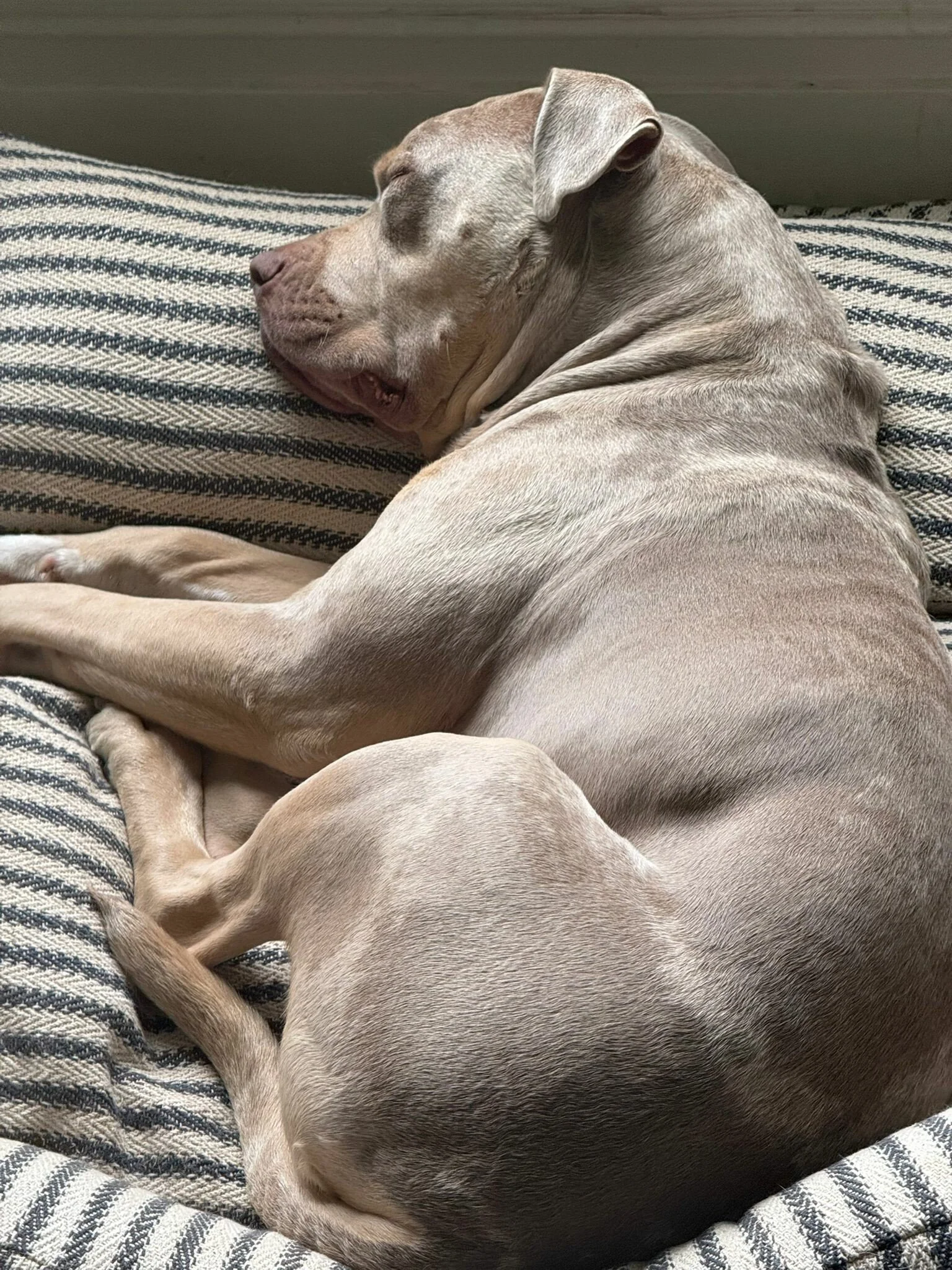
![Canine patient Lenny sleeping soundly post-treatment session]()
"We had a lovely experience where Tedi came for a session with our dog Lenny. She was able to recognise areas of slight tension for us to keep an eye on and give advice on how to monitor going forwards. It was also just lovely to see him completely relax as she gave him a massage in areas that felt a bit tight - he is usually very excited with new people and can struggle to settle, but Tedi’s calming presence made him completely at ease."
Fran, Client
-
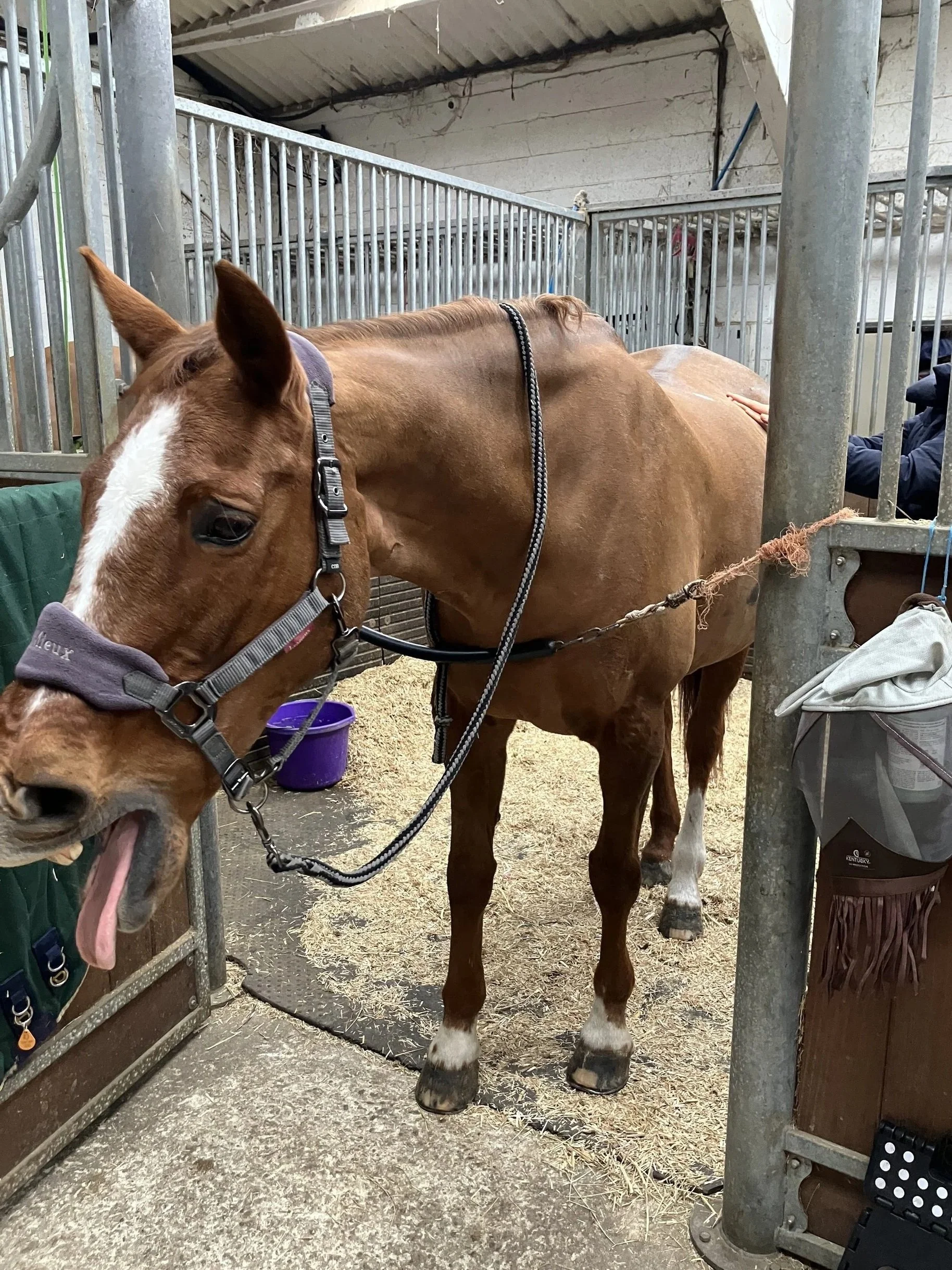
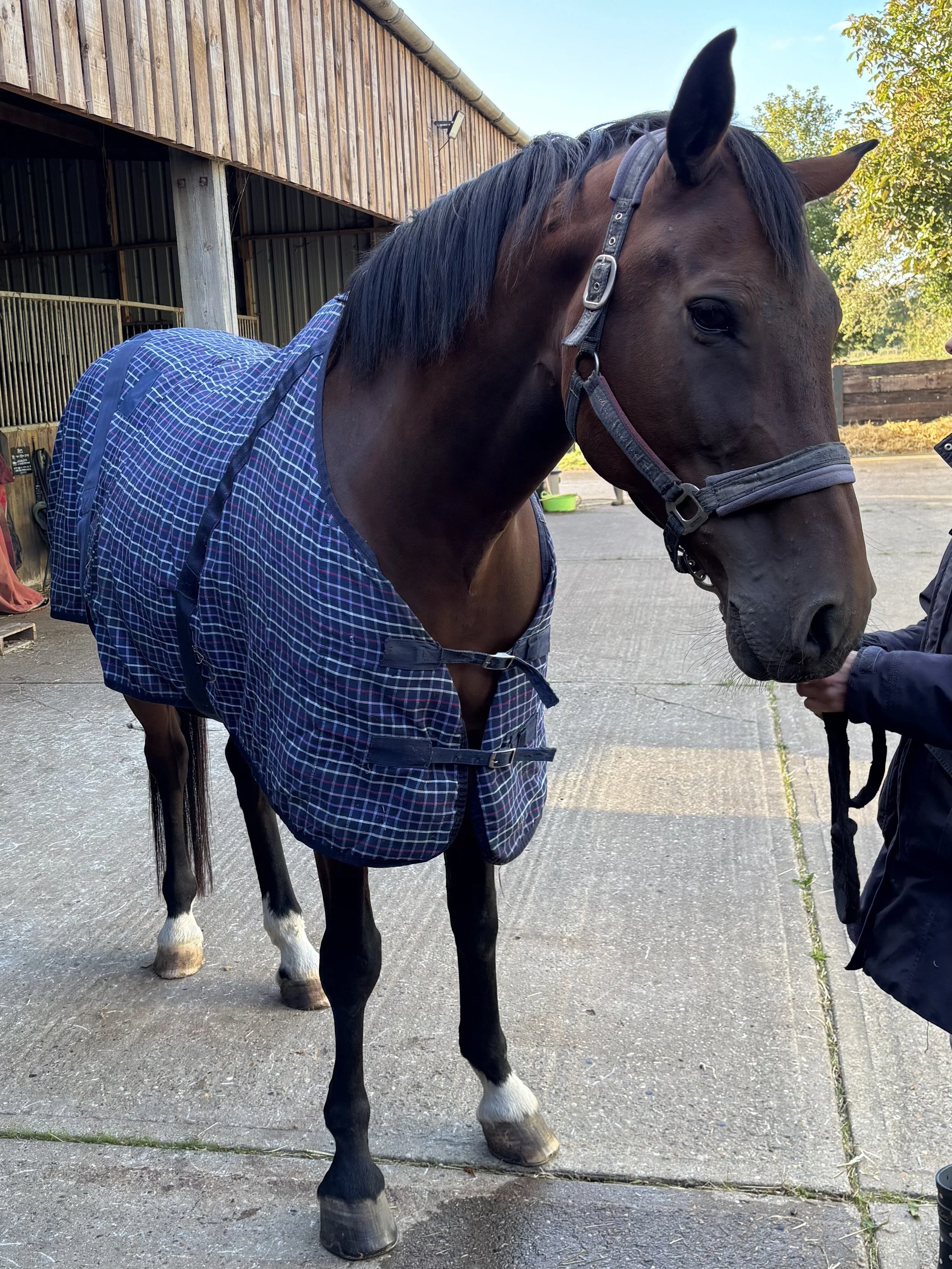
![Horse patient Lola standing and facing towards the camera before her physiotherapy assessment]()
"My horse really enjoyed and benefitted from her session with Tedi. Her examination was thorough and her insights really useful."
Caroline, Client
-
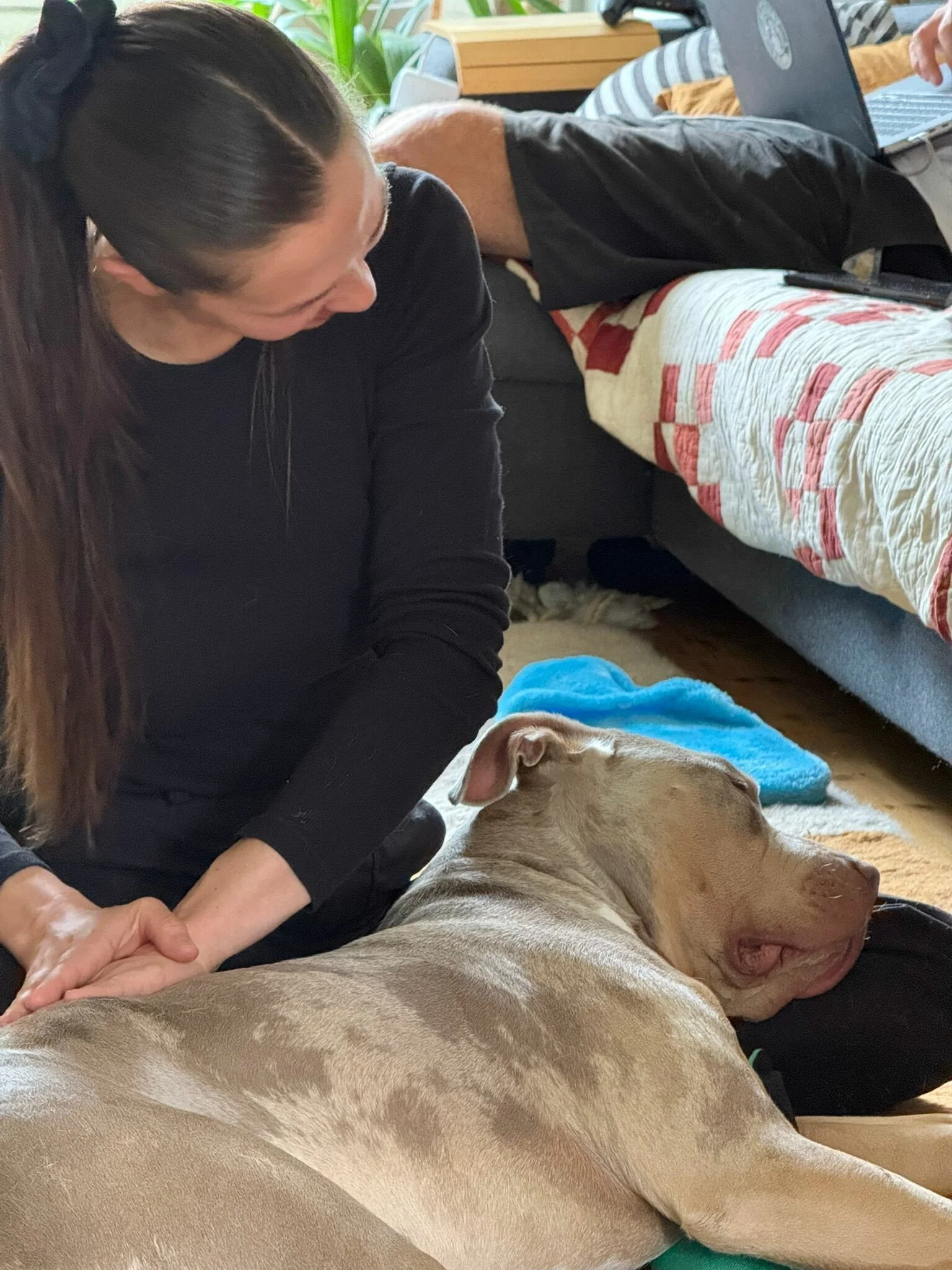
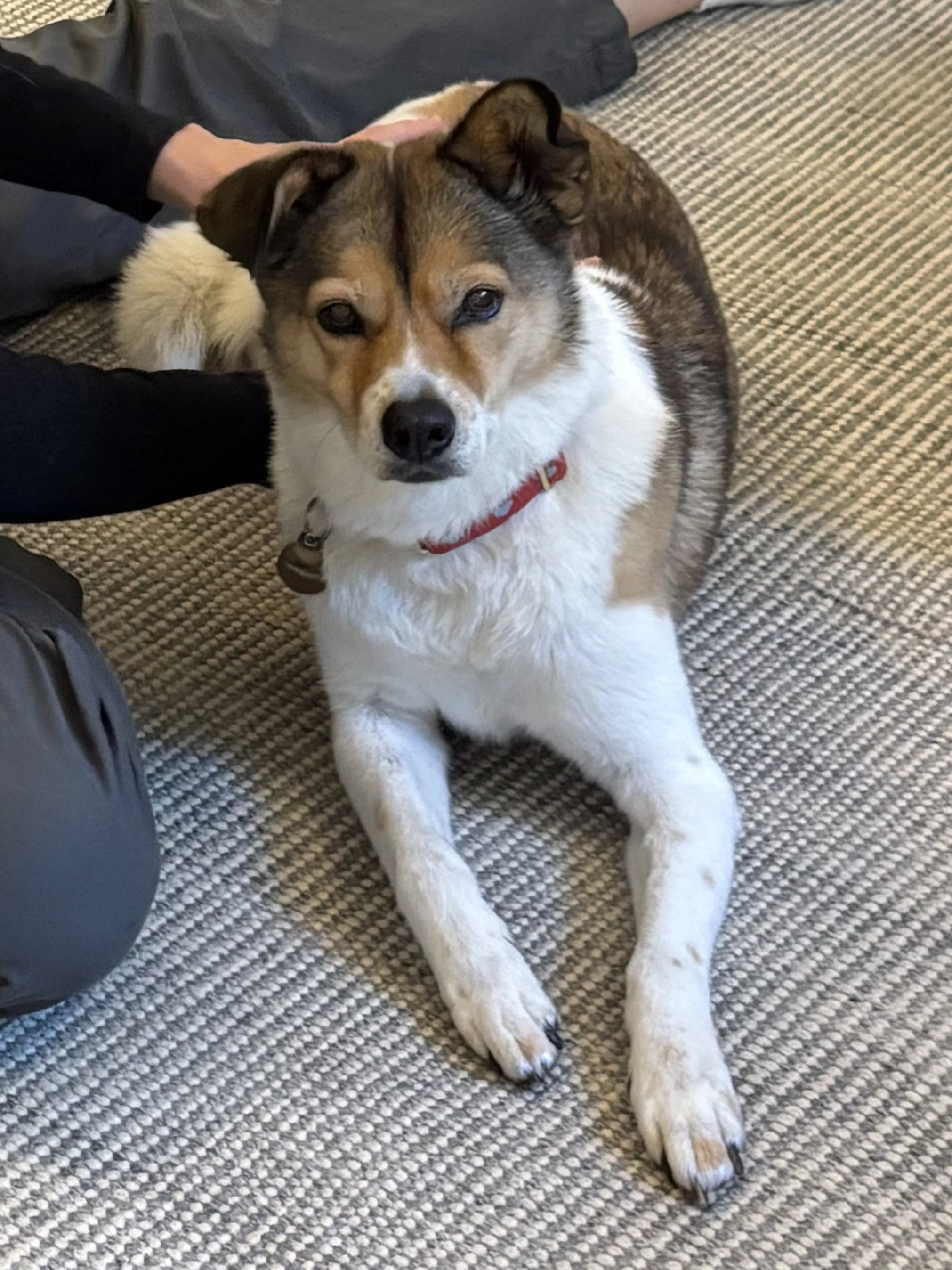
![Rescue dog Dumpling recieving a massage during her first at-home physiotherapy appointment]()
"Tedi provided a great first physiotherapy experience for Dumpling! We learned about some areas that need some attention and practical methods of improvement. Highly recommend!!!"
Ashley, Client
-
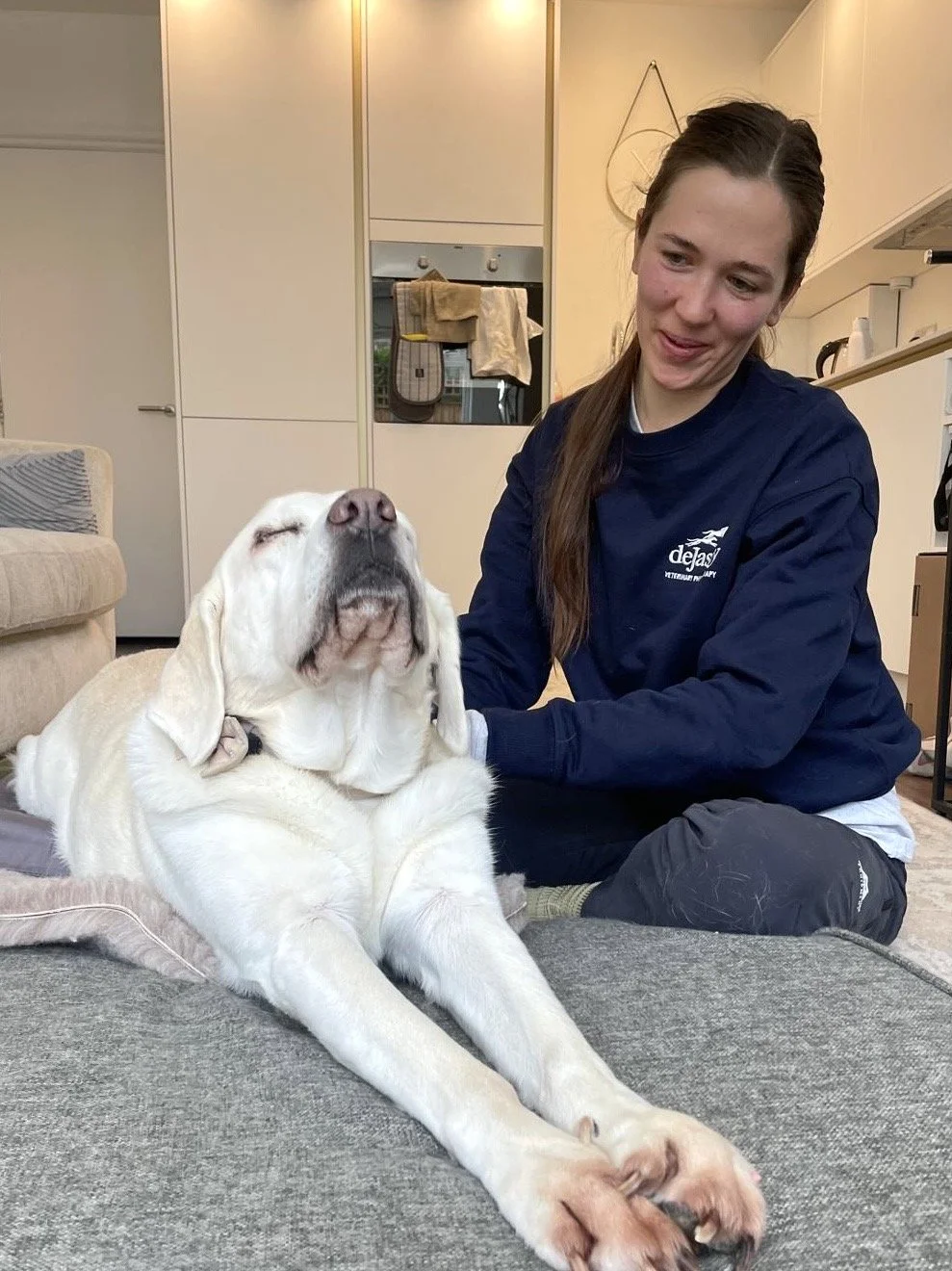
![]()
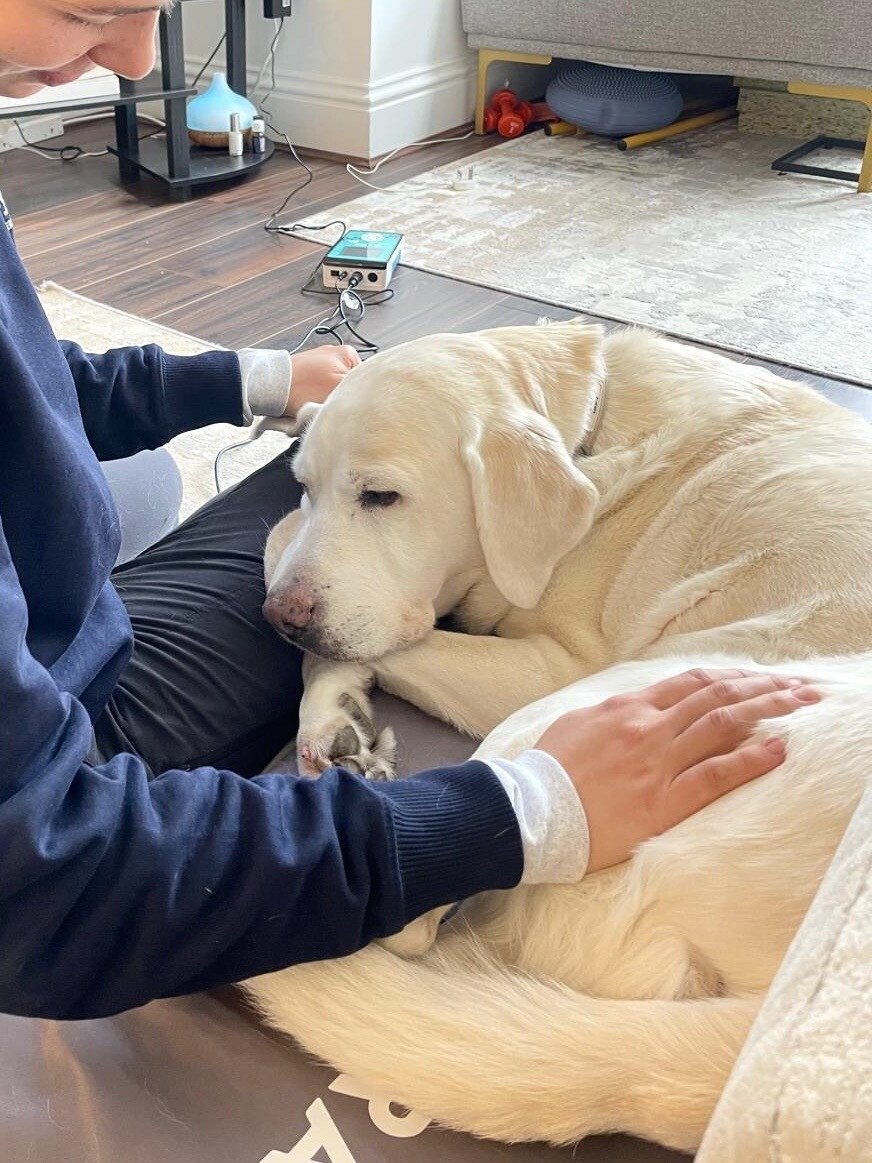
"My 12 year old labrador Brandy has been treated by Tedi for a few weeks now. In a short span of time Brandy had regained her strength, her energy and is youthful again. Tedi has been incredibly professional and supportive. She's calm and takes her time during the session. Brandy has felt safe and secure during the sessions and is clearly improving. I would definitely recommend using Tedi’s services for anyone looking to support their pet through a medical condition or even graceful aging in our case."
Lara, Client
LET’S CHAT